From the Desk of an Ayurvedic Practitioner
May Notes: Movement, Breath & New Beginnings
We move through May under the influence of a full moon in Swati. In Jyotish—the sister science to yoga and Ayurveda—Swati is associated with movement, independence, and the energy of the wind. The name itself can be understood through su (purity, goodness) and ati (abundance), offering an image of something both refined and expansive.
I often imagine this energy as a newly sprouted plant—steady and resilient—growing upward despite the presence of wind.
Swati is ruled by Vayu, the energy of air, breath, and movement (closely related to vata in Ayurveda). During times like this, it’s not uncommon to notice a sense of restlessness, scatteredness, or feeling slightly ungrounded. Rather than rushing to correct or control these sensations, this can be an invitation to pause.
To observe.
To return to the breath—not as something to fix, but as something to witness.
From that place, we can begin to respond with intention.
Simple practices may support this:
Taking a few moments to notice your natural breath throughout the day
Exploring alternate nostril breathing
Practicing belly breathing
Or engaging in brahmari (humming bee breath)
This energy carries with it the potential for meaningful change—a shift in direction, a sense of forward movement, and perhaps even the courage to try something new.There is something tender here, too. Growth that is not rushed, but steady.
Stay strong, little sprout.
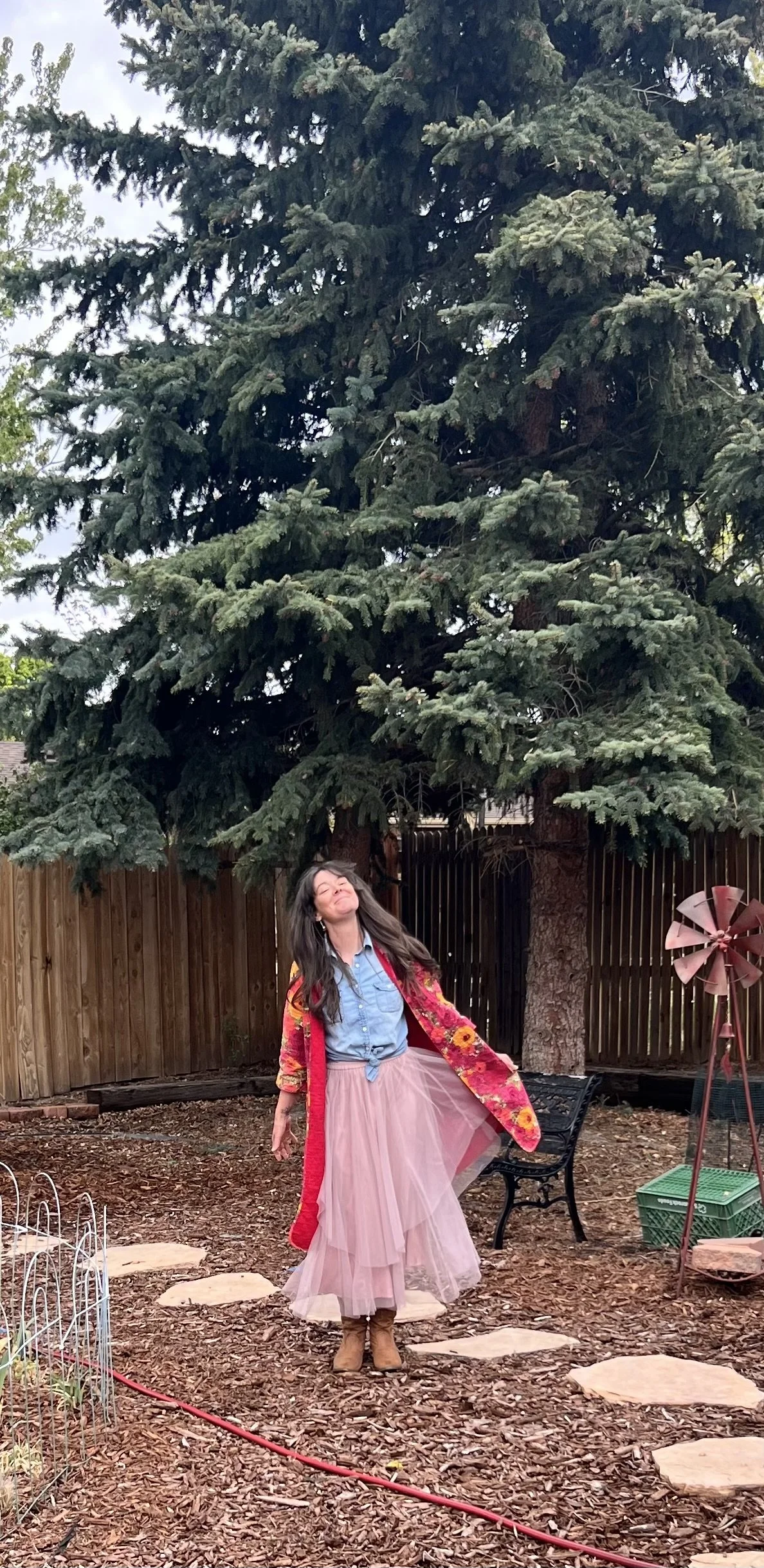
A gentle reminder from nature: even in the wind, we can remain steady, rooted, and growing.
This season also marks a personal transition for me. I am expanding my work into a dedicated space at Yoga Studio Satya—a space that allows for deeper connection, more individualized care, and a continued integration of Ayurveda, yoga, reiki, and coaching. My work, particularly in 1:1 settings, centers around understanding the whole person. This includes your health history, lived experiences, current patterns, and the direction you feel called toward. From there, we explore supportive shifts—often through food, lifestyle rhythms, breathwork, movement, herbal support, and other practices that meet you where you are.
Ayurveda, in my experience, is most effective when approached over time. Not as a quick fix, but as a relationship—one that evolves with awareness, consistency, and care. A value that continues to guide my work is accessibility.
I hold a belief that care should not be limited solely by financial exchange. In that spirit, I remain open to bartering and alternative forms of exchange when needed. We all carry something of value—skills, creativity, time, care—and when we are able to share those gifts, we participate in something more reciprocal and human. If this resonates, I welcome that conversation.
Alongside 1:1 work, I continue to offer spaces for group practice and learning.
Workshops such as Know Your Nature: Why You Feel the Way You Feel introduce foundational Ayurvedic concepts—particularly the doshas—and how they show up in daily life. These spaces are designed to be both educational and experiential, offering practical ways to begin integrating this knowledge.
I also hold ongoing monthly gatherings, including Embodying Ayurveda and The Living Text, as well as weekly yoga classes both in person and online.
Additionally, community-based offerings—such as outdoor yoga gatherings—remain an important part of my work, creating accessible entry points for connection, movement, and shared experience.
A brilliant flower blooming in a field of greens.
I’m continually shaped and supported by the people in my professional and personal community. One person I’m especially grateful to be connected with is Dr. Alex Walker. Our relationship began during our time working within the Department of Corrections, and I’ve since had the opportunity to collaborate alongside her and the Alliance for Community and Justice Innovation since 2020.
Her work centers on supporting women and human-serving professionals in staying connected to their purpose, particularly in the face of burnout. Through her framework of Resilient Optimism, she offers practical tools for working with mindset, energy, and perspective—creating the conditions for sustainable and meaningful engagement in this work.
Whether through individual sessions, group spaces, or shared conversations, this work continues to unfold in ways that feel both grounding and expansive.
If something here resonates, you are always welcome to reach out, connect, or simply continue exploring at your own pace.
There is no rush.
With gratitude,
Katie