What if the Environment is part of the Intervention?
Having worked for the Department of Corrections for nearly 12 years, I've walked into my share of correctional environments—prisons, community corrections facilities, parole offices. And through receiving care myself, and now providing care to others, I've also spent a lot of time walking into very different spaces: wellness centers, yoga and massage studios, and Ayurvedic centers.
Maybe you can understand where I'm going with this. The vibe is different. The energy is different. The lighting, the sounds, the location, the smells. They're all very different. And I want to pause here, because people often come to wellness spaces because they are willingly seeking healing. They want to feel better. And I think they also want to be better in their lives.
When we think about the environments of prisons, parole offices, jails, detention facilities, even probation offices, I believe the people who have to report there—whether it is for their job or as part of a sentence—also want to feel better. They want to be better.
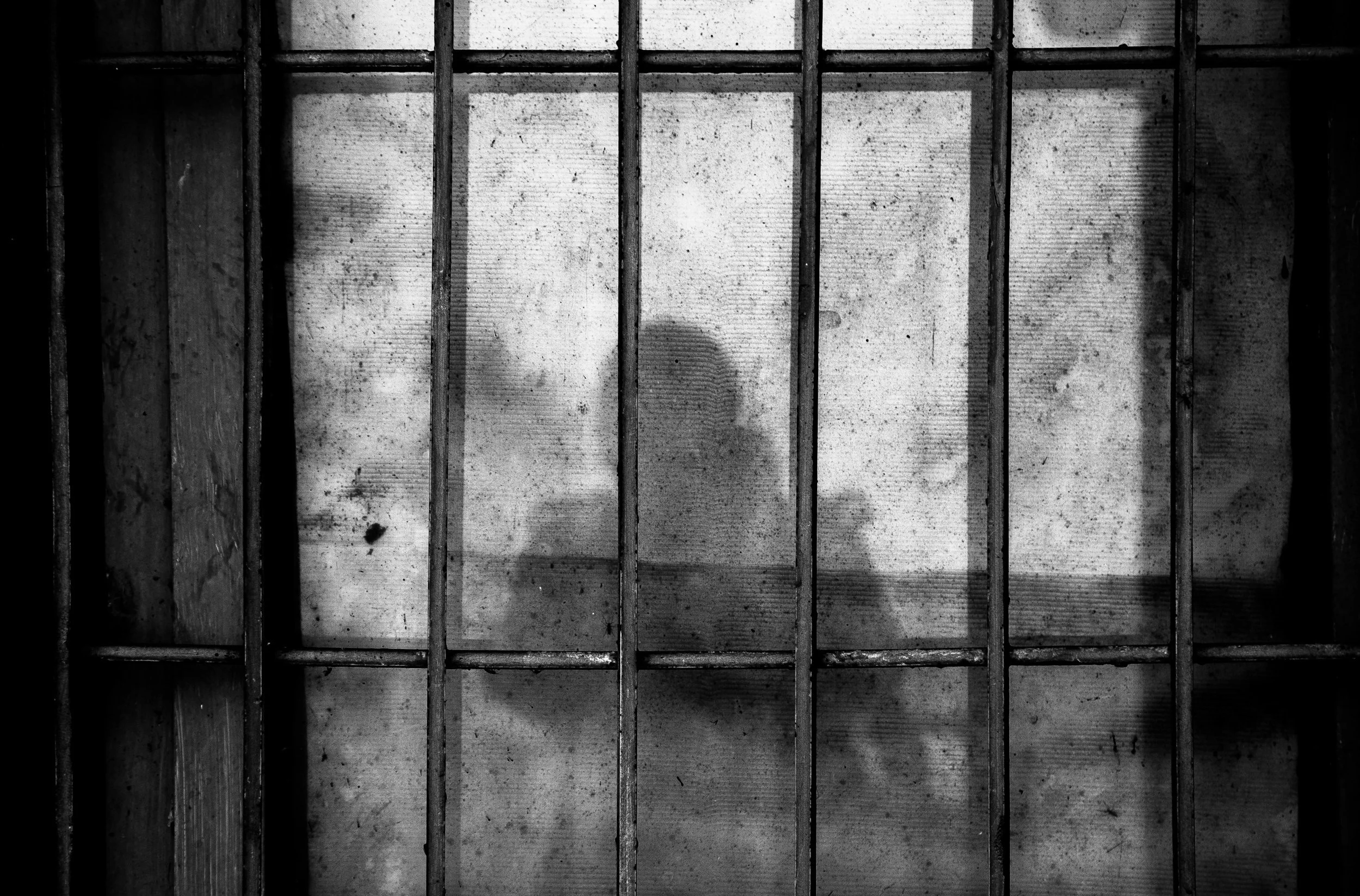
Barred windows with a dark silhouette behind it.
I know this could easily turn into an argument about who is more deserving of care. Who needs more care. And there may be important conversations to have there. But at the heart of what I want to explore is something much simpler:
All people are deserving of care.
They are worthy of being in spaces, and being with people, who truly want to see them become better. So the question becomes: Why aren't the environments of prisons, parole offices, jails, and other parts of the criminal/legal system intentionally designed in ways that welcome healing for everyone within them?
In Ayurveda, we learn about a concept called sattva. It is a Sanskrit word that can be loosely translated as "pure" or "balanced." It is both a quality of the mind and something we can observe and experience around us. If you've ever been outside just before the sun rises, when the streetlights are off, animals are barely stirring, and there is little or no traffic, you may know the feeling I'm describing. There can be a deep, grounding peace in those moments.
That is sattva.
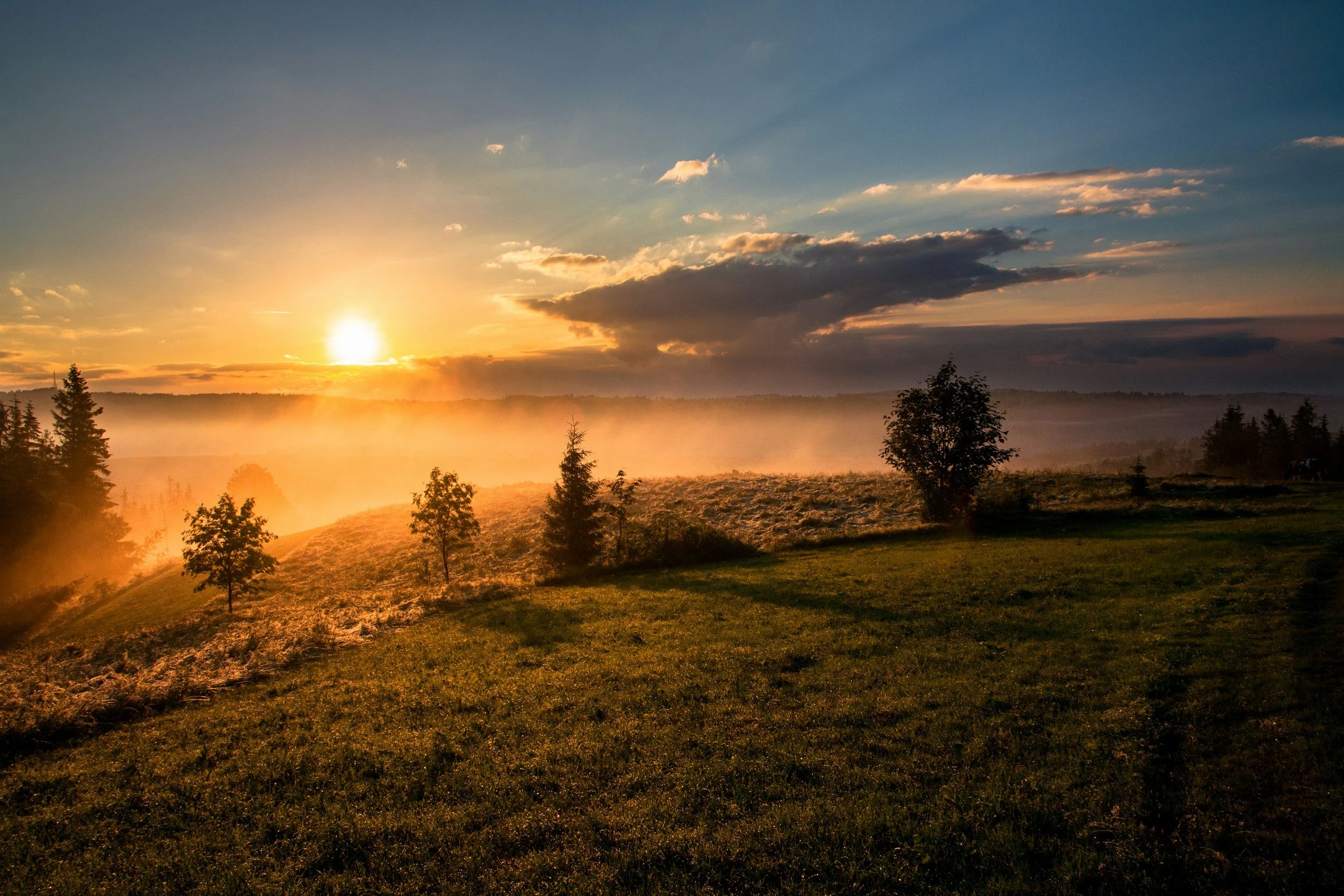
Early morning sun awakening the land.
There are modern frameworks that may also be helpful here. While they come from very different traditions and perspectives, I think we can notice similarities in some of what they describe. We can look at Dan Siegel's Window of Tolerance and consider the optimal zone in which we are better able to respond to life's demands. Or, through a polyvagal lens, we might think about what is sometimes described as being in the "green"—a state supportive of safety and social connection.
These aren't the same as sattva, however each offers us a way of considering an important question: What conditions allow human beings to access greater balance, connection, and wellbeing? And that makes me wonder what could happen if prisons, parole offices, jails, and other criminal/legal environments began making intentional shifts in the environments themselves. How would staff feel going into work? How might clients feel about being "sentenced" there?
This isn't to say accountability doesn't happen.
When I was in India, one of the Ayurvedic centers where I stayed had a locked gate and armed guards. We were not permitted to leave without a doctor's approval. While the guards were primarily there to keep perceived intruders out rather than to keep us in, there were still very real restrictions on our movement. And at the same time, we had everything we needed—or could ask for and have sent in. I needed warmer clothes. I ordered them. I was very hungry because I wasn't accustomed to eating a vegetarian diet, so I asked for more food. And I was given more.
I also received incredibly intentional, caring, and deeply nourishing treatment unlike anything I had experienced before.
That experience has stayed with me, not because I enjoyed the restrictions—I didn't. Even though I had willingly chosen to be there, I didn't like knowing that I couldn't simply leave when I wanted to. In reality, the care I was receiving was so intensive that I physically didn't have much energy to do anything other than rest. There also wasn't much nearby, and I wouldn't have felt comfortable navigating the area on my own anyway.
But the experience gave me something interesting to consider.
I have long questioned why restriction and punishment so often coexist within our criminal/legal systems. In India, I experienced significant restriction, but the environment surrounding that restriction was entirely different. I was cared for. My needs were attended to. The people around me were invested in my healing. The physical environment supported rest and recovery.
The restriction was still a restriction. But the environment itself was not punitive.
Care didn't erase the restriction. And the restriction didn't require the absence of care. Both existed at the same time.
That distinction has stayed with me. What would it mean to bring that distinction into our criminal/legal systems? Not to suggest that restriction feels good, or that accountability shouldn't exist, but to ask why environments that already restrict someone's freedom must also be designed and experienced as punitive. I find myself continually asking questions, so here is yet another one:
What do our environments reveal about what we believe is possible for the people inside them?
What if they experienced a system so sattvic that staff and clients left feeling better than when they arrived?
What if we stopped treating wellbeing as something people earn after they change, and began understanding wellbeing as one of the conditions that can make change more possible?
There is a common narrative about change in the criminal/legal system: some people just don't want to change. They're not ready. And we can't force anyone to change. I agree that we cannot force another person to change. But I want to challenge the assumption that some people simply don't want to.
The desire may be buried beneath trauma, anger, fear, addiction, disconnection, survival, or years of experiences that have taught someone not to hope for something different. A person may not be able to name that desire. They may not know what "better" looks like. They may not believe it's available to them.
But I believe there is something within all of us that moves toward life. Plants orient themselves toward the sun. Roots move deeper and wider through the earth, seeking what sustains them. Living things have an inherent orientation toward growth, even without consciously choosing it. I believe human beings do, too. I believe this of people on supervision. I believe this of people in prisons. I believe this of people who work in these systems. Our circumstances may be profoundly different, but the desire to grow is part of our shared humanity.
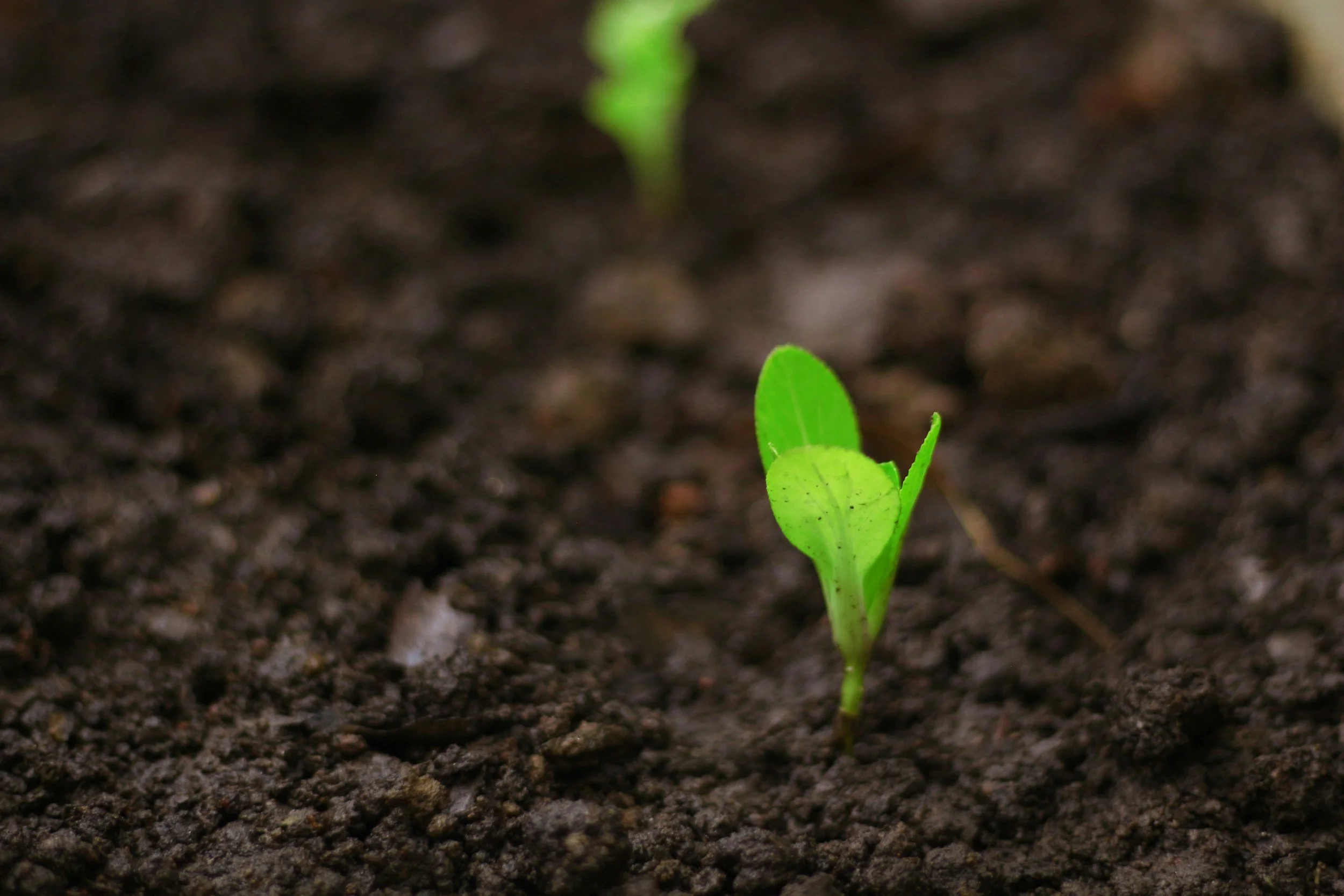
A small sprout growing towards the sun.
And if that is true, then we have an enormous responsibility for the conditions we create within our systems—not only those who work in them, but all of us.
If these systems exist in our communities and in our name, then we share responsibility for asking what they cultivate. Do these environments cultivate fear, depletion, disconnection, and survival? Or could they cultivate safety, accountability, nourishment, connection, healing and the possibility of change? If we believe people are capable of change, perhaps our environments should reflect that belief.